History of the Painting
History of the Study and Development of Tavrian Painting
From the earliest times people have sought to adorn everyday life — to have things that are not only useful and necessary, but beautiful. Ukrainians are no exception.
Ukraine has formed many kinds of folk art: artistic work in wood, stone and metal, pottery, embroidery, weaving and carpet-making, decorative painting and more. Each is closely bound to the history and national traditions of its regions, and each speaks of the artistic gift of folk masters.
Far beyond Ukraine, the country’s original art is known for its folk decorative painting — among the richest in the world — which has entered as a bright page in the cultural history of the Ukrainian people.
It includes wall painting of sacred buildings (churches, temples and the like), of dwellings and outbuildings; colourful decorative drawings on paper known as malovky; folk easel painting and graphic art; oil decoration of wooden objects (chests, dish-racks, beehives, winnowing machines, wooden ware, toys and musical instruments); pysanky; painting on cloth; and painting on glass, found mainly in the western regions of the country.
These forms of folk painting arose at different times and were tightly bound to the many sides of folk life and mentality.
Local character is reflected in the variety of ornamental motifs, colour and composition.
Well known in Ukraine and abroad are the traditions inscribed on the UNESCO lists: Petrykivka painting, Kosiv painting, and the Crimean Tatar ornament Örnek.
It is no surprise: every region takes pride in its own traditions and dedicates to them substantial studies, albums, monographs and more.
This is especially true of the western regions and of Central Ukraine. The South, by contrast, still cannot boast enough such research — though its history is unique and its culture remarkably rich.
The special climate, the wealth of natural resources and the diversity of plants and animals of the Black Sea lands have long drawn attention here. Scythians, Sarmatians, Greeks, Turkic peoples and many other tribes and nations left their legacy on our land.
Later, on the lands of present-day Mykolaivshchyna, there were Cossack settlements, watch posts, crossings and winter camps. After the Northern Black Sea region was freed from the rule of the Ottoman Empire at the end of the eighteenth century, large-scale settlement of the land began. The largest ethnic group in the villages were Ukrainians — settlers from the Poltava, Chernihiv, Kyiv and Podillia gubernias — followed by Russians, Moldovans, Belarusians, Bulgarians, Poles and Germans.
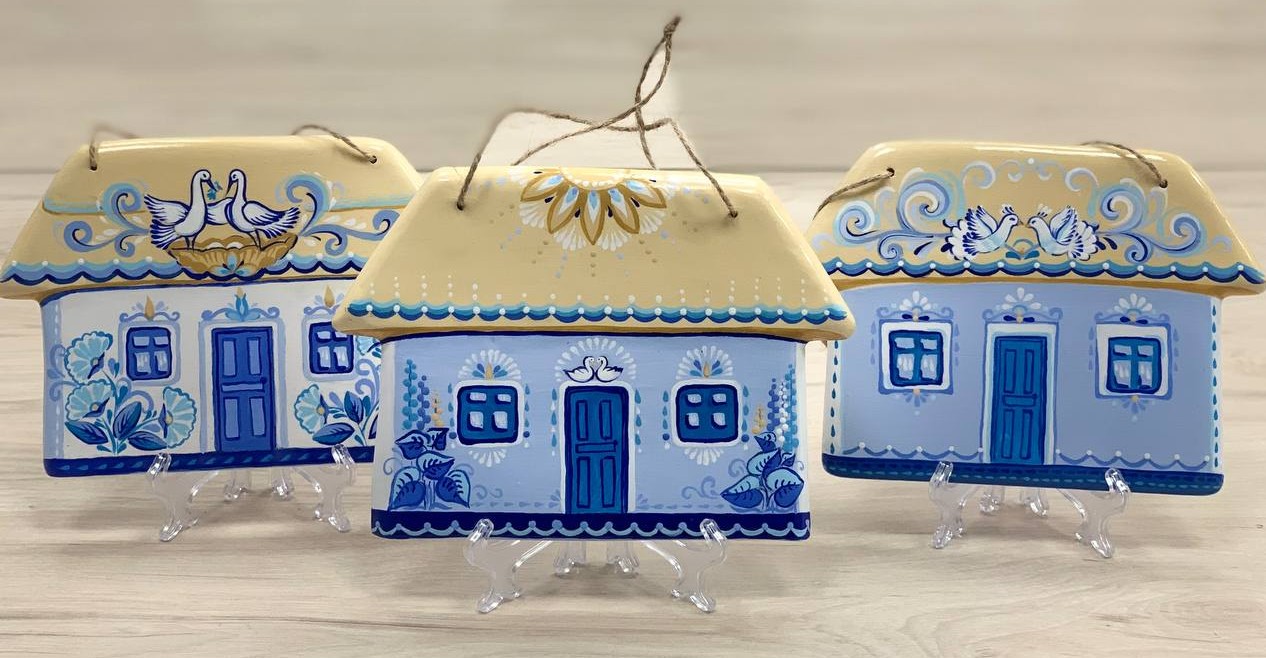
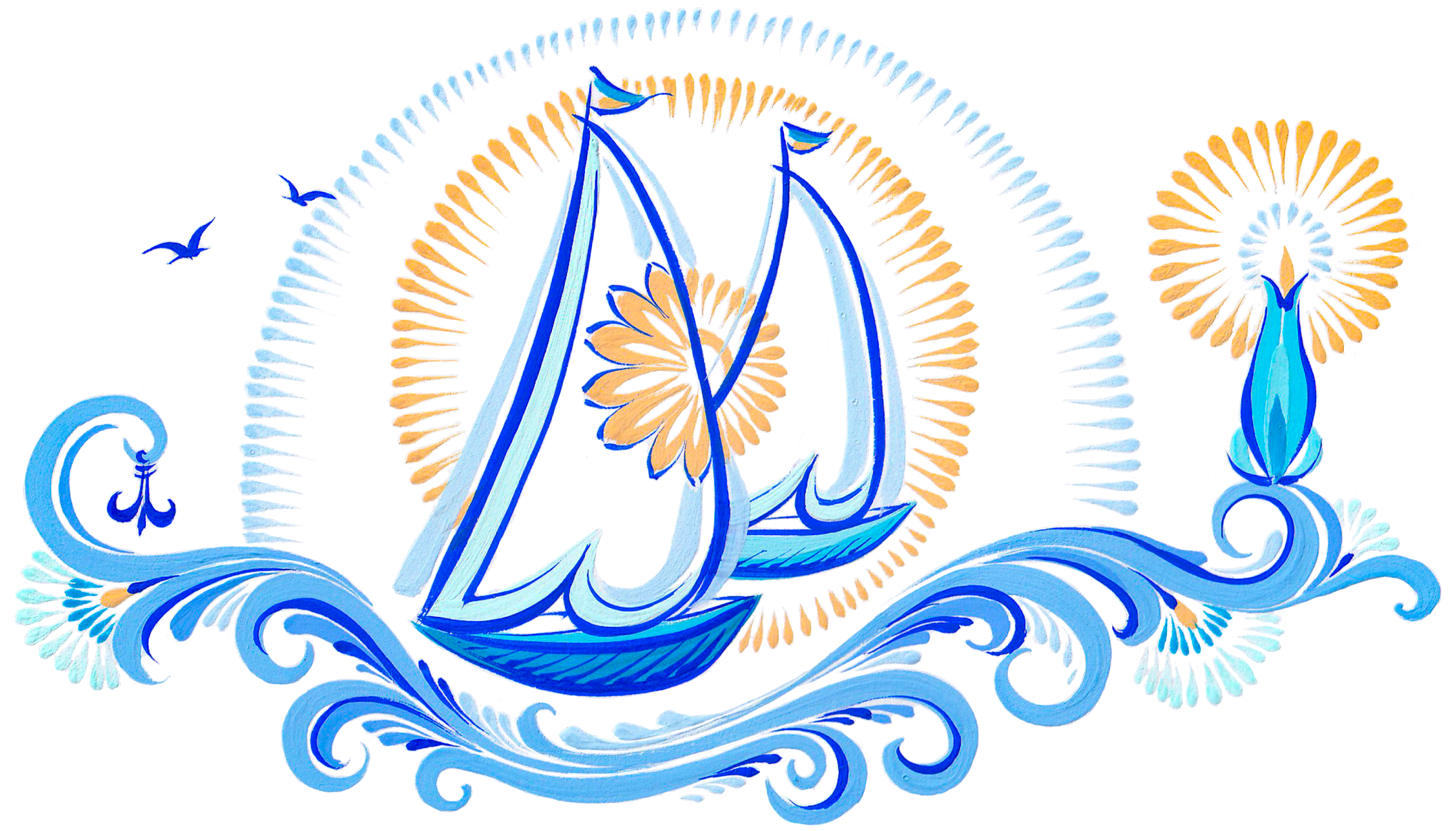
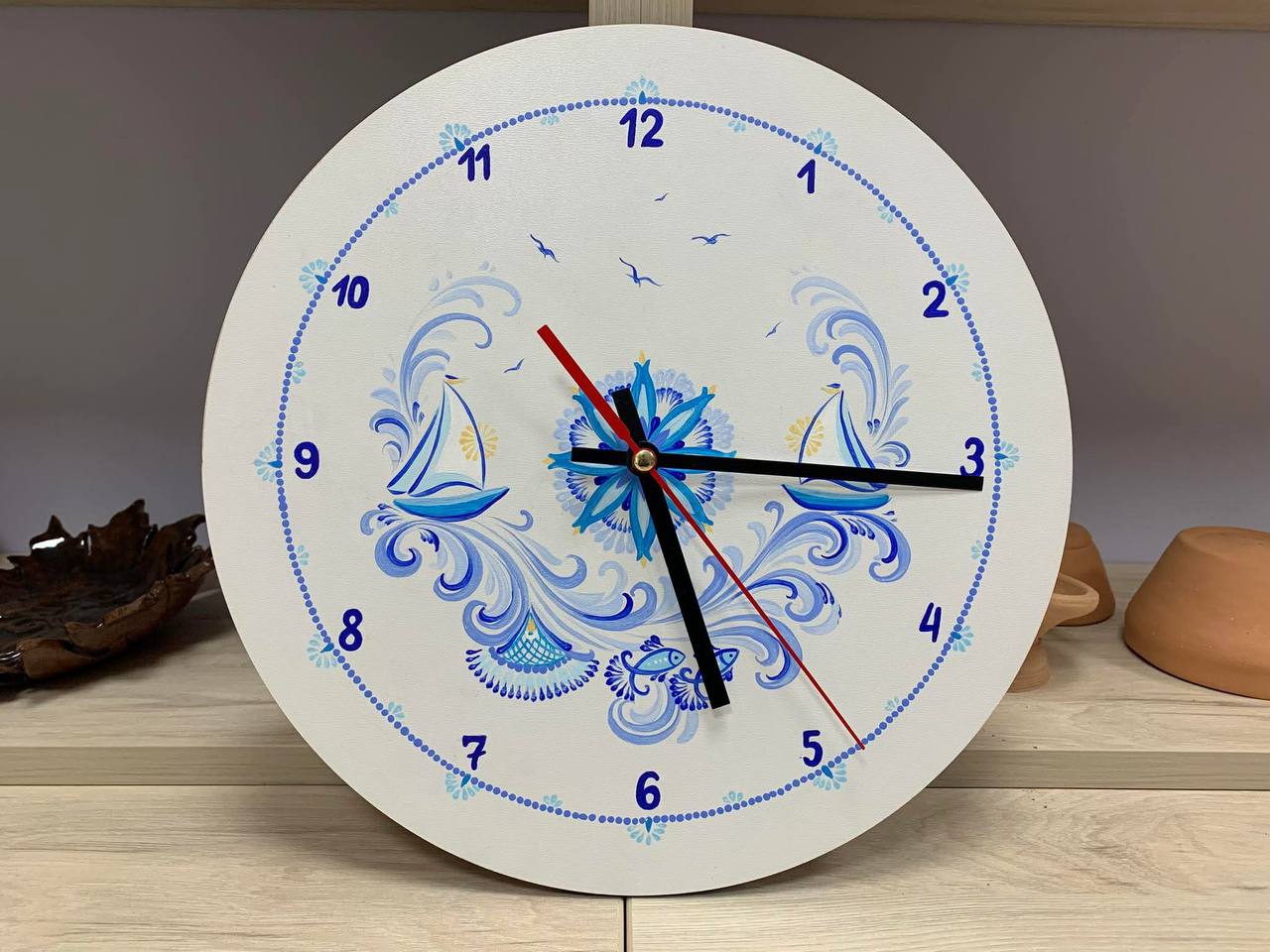
Today people of more than a hundred nationalities live in the Mykolaiv Region. The South is a distinctive land in history and ethnography: a mixed population and a meeting of many customs and cultural traditions. And yet the region has kept unique traditions of its own, including those of the Cossack age. Among them, Tavrian painting holds a special place.