Researchers
Yevhenia Bondarenko
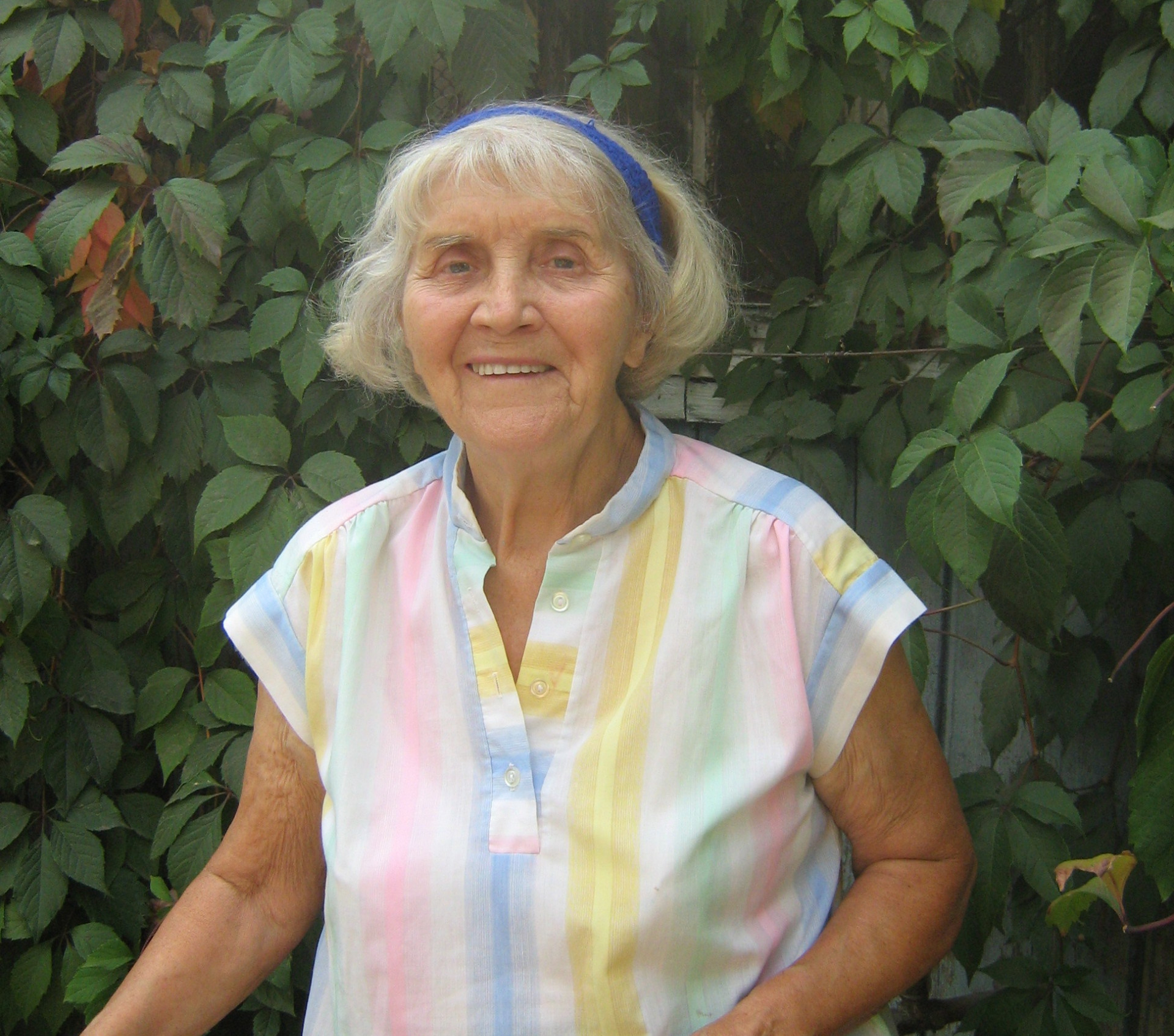
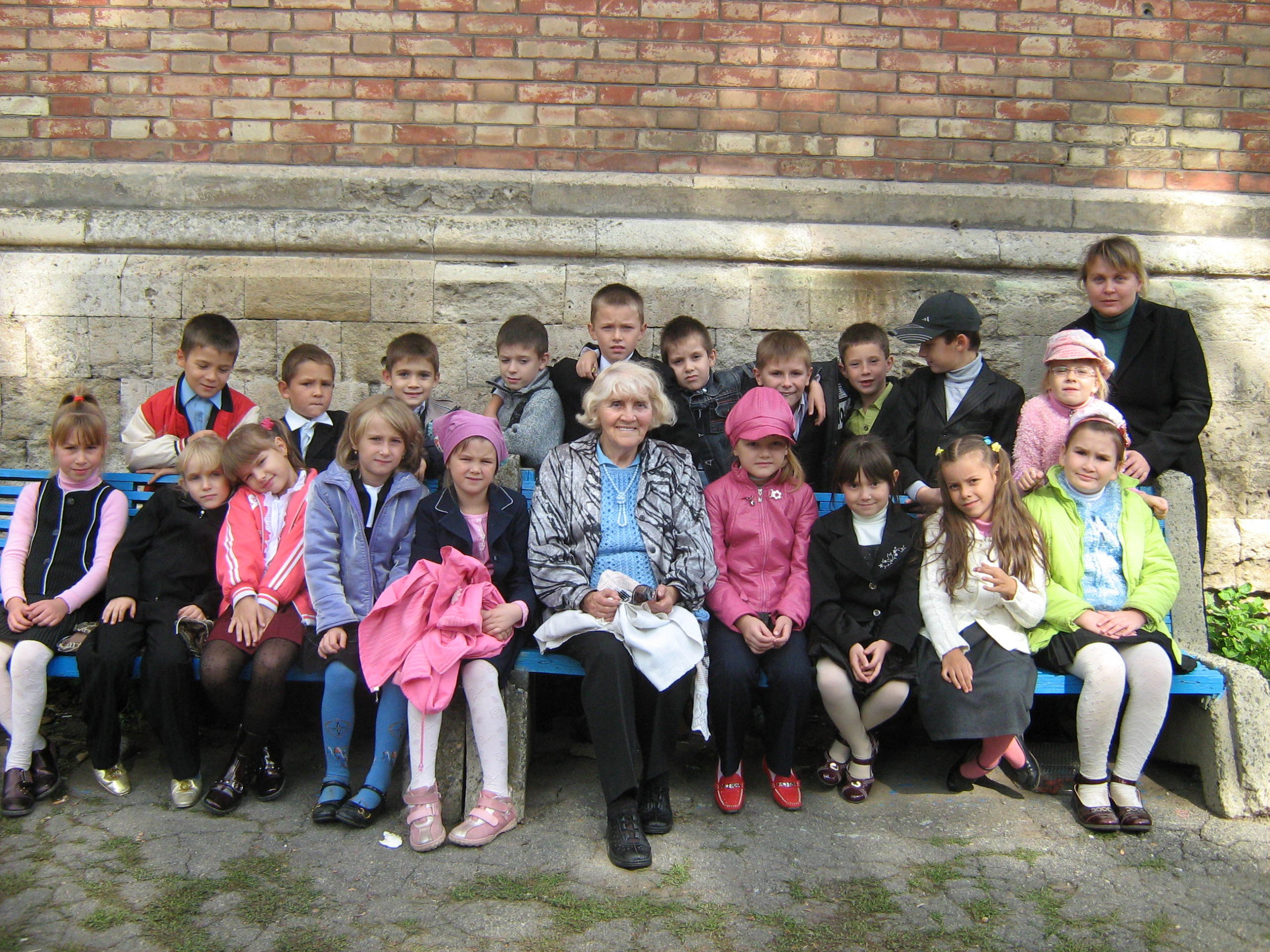
The name of Yevhenia Bondarenko (16 July 1928 – 14 February 2014) is widely known to the people of the Mykolaiv Region. She was a literary staff member of the regional newspapers Pivdenna Pravda and Komsomolska Iskra, an editor of the regional committee of television and radio, a lecturer at the Mykolaiv branch of the Kyiv Institute of Culture, a master of folk art, a member of the National Union of Journalists of Ukraine (1962), of the Mykolaiv Regional Creative Association of Masters of Folk Art “Prybuzhzhia” (1981), and of the Mykolaiv branch of the National Union of Masters of Folk Art of Ukraine (1994). From her scripts the television plays Night Stagecoach, The Simplon Tunnel and Morning were filmed, as well as the television films I Live on Dionysus Street, The Landing and And the Children Are in the Field. In 2001 she was the author of the film My Radiant Swan, devoted to the origins and the present of the fine art of Southern Ukraine.
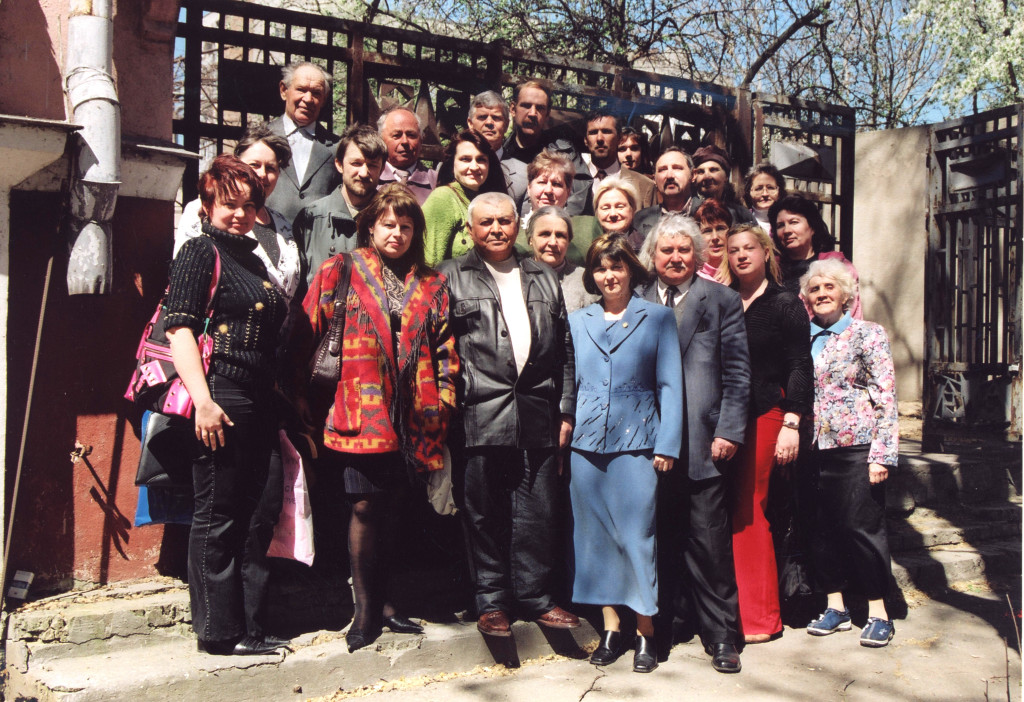
Members of the Mykolaiv branch of the National Union of Masters of Folk Art of Ukraine. On the far right — Yevhenia Bondarenko; the second from her is V. Priadko. April 2004
The future artist was born in Mykolaiv, in the family of Petro Zatserklianyi, a mechanic at the André Marty Plant, and Kateryna Andriievska, a homemaker. She was educated at Schools No. 21 and No. 18. She lived through the terrible years of Nazi occupation. In 1946, during the summer holidays, she completed the school programme for the eighth year on her own and sat the examinations. She entered the Faculty of Literature of the Mykolaiv Pedagogical Institute in 1948 and was a holder of the Stalin Scholarship. She graduated with honours. The profession of editor of artistic programmes Yevhenia Bondarenko received at the Kyiv branch of the All-Union Institute of Television and Radio Broadcasting in 1981.
Today, however, her name is more and more often identified not with radio and television, but with Tavrian painting. For it was Yevhenia Bondarenko who, while on assignment on the Kinburn Spit, noticed houses “wrapped in blue mist,” adorned with azure patterns. In conversation with local people she learned that in this way they did not merely decorate a dwelling, but also sought to draw good fortune to it and to keep it from harm. In order to preserve what she had seen for those who would come after, she not only joined the brigade of the leading mazalnytsia of Kinburn, but, at the age of more than fifty, went with her younger daughter to evening art courses at the regional scientific and methodological centre. Academic painting, however, which was taught by People’s Artist of Ukraine Mykhailo Riasnianskyi, did not make it possible to convey folklore images and subjects.
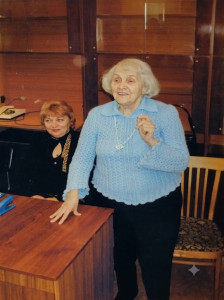
Only after completing, in 1993, a course in folk painting at the School of Folk Mastery of the Mykolaiv branch of the National Union of Masters of Folk Art of Ukraine (the teacher was Honoured Master of Folk Art of Ukraine Tetiana Uliankina) did Yevhenia Bondarenko find her path in art. “In the seaside and steppe villages I saw the blue southern painting on white houses… I wanted to keep all of this, to show it to people, especially to children… In my works I try to join the tradition and history of the Ukrainian South with contemporary images of our life,” the artist wrote in her autobiography.
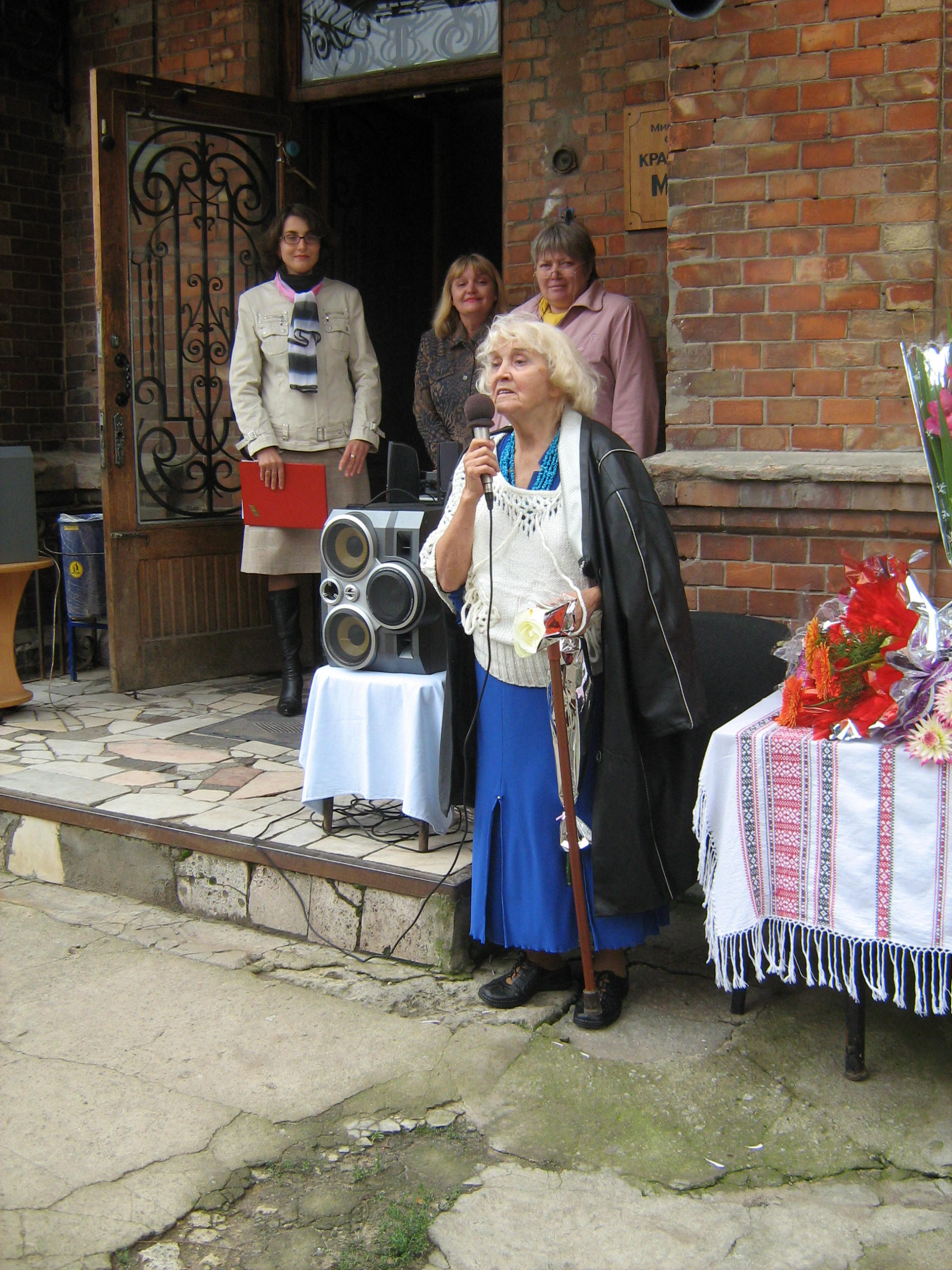
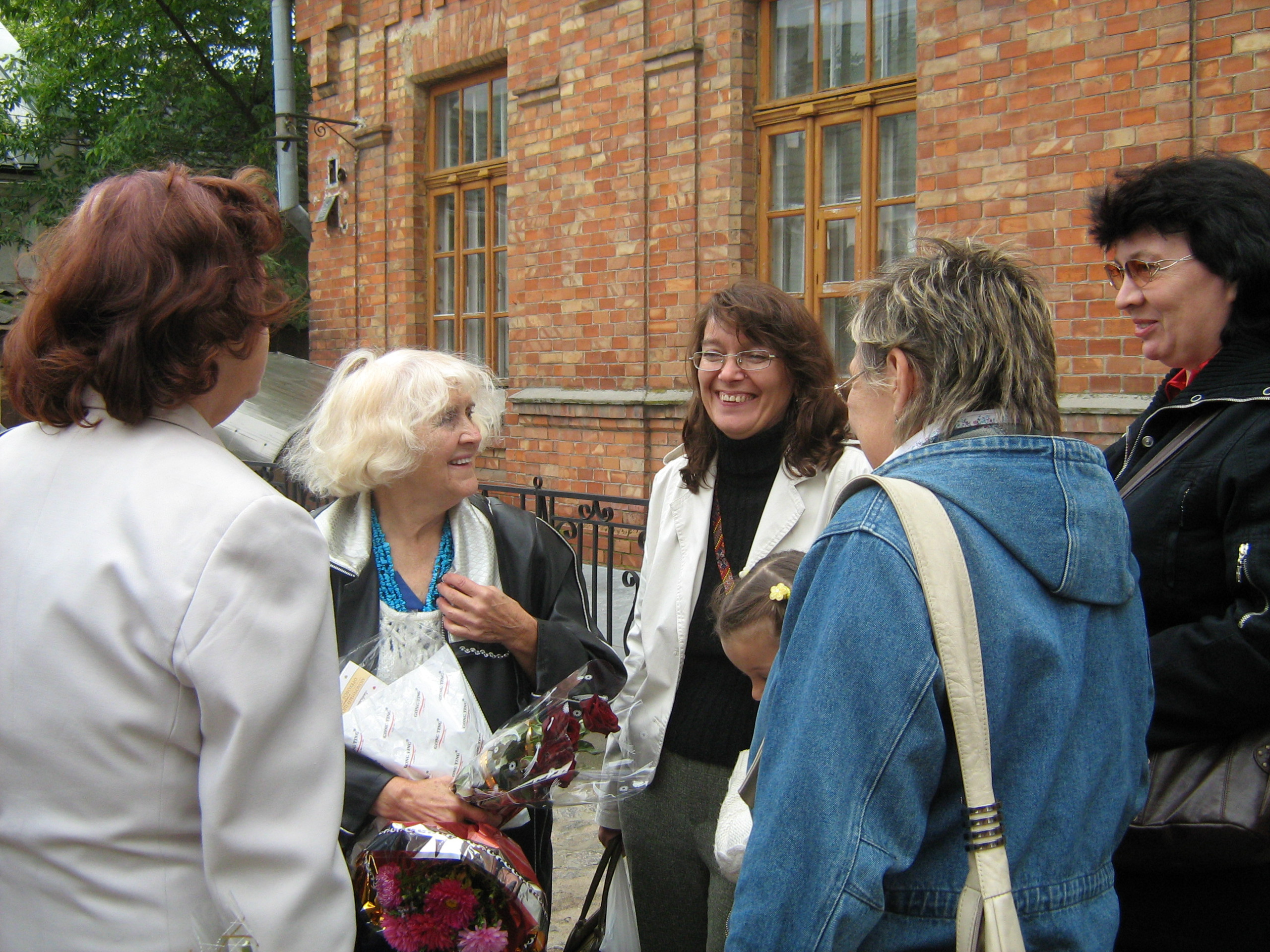
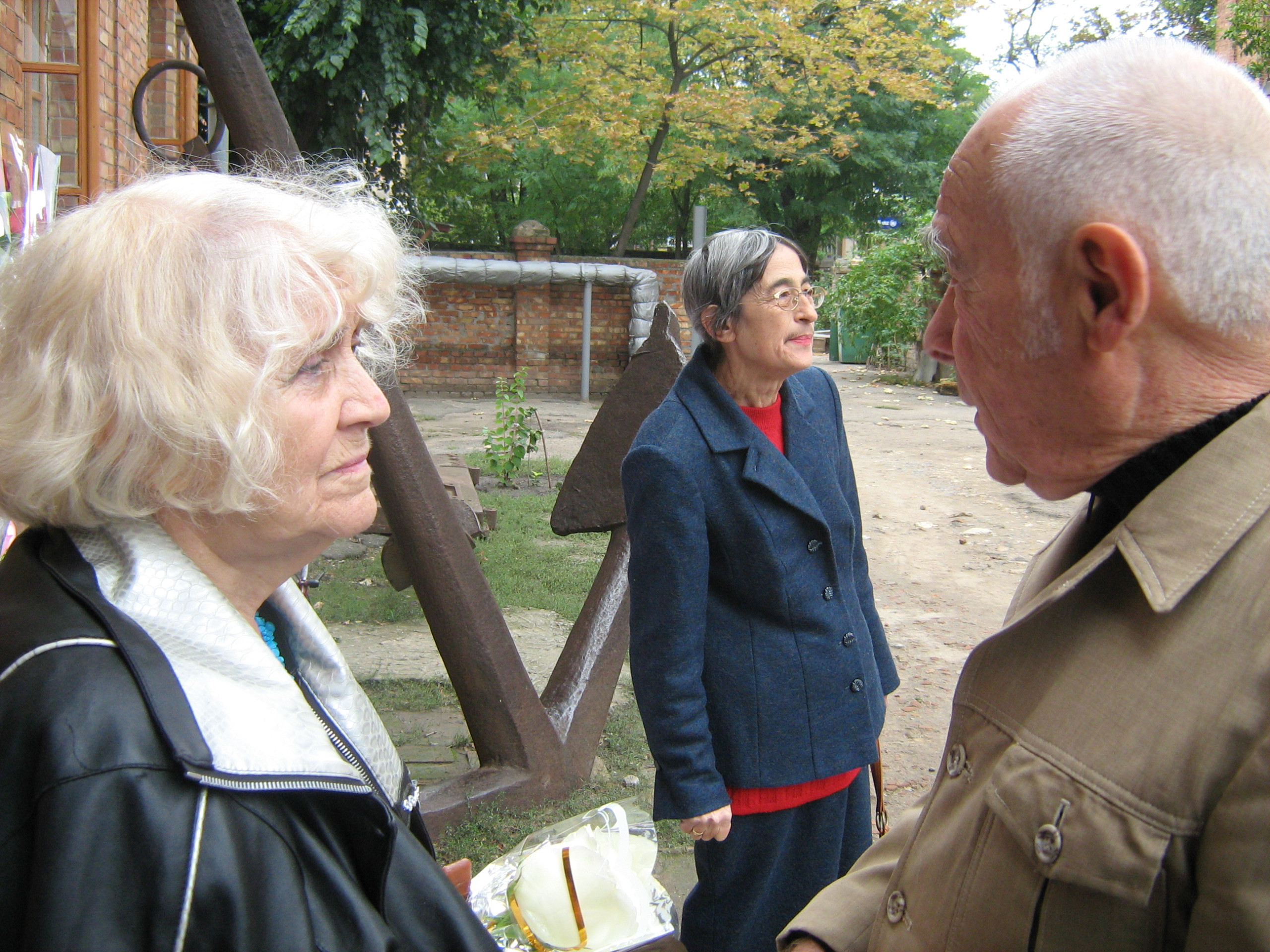
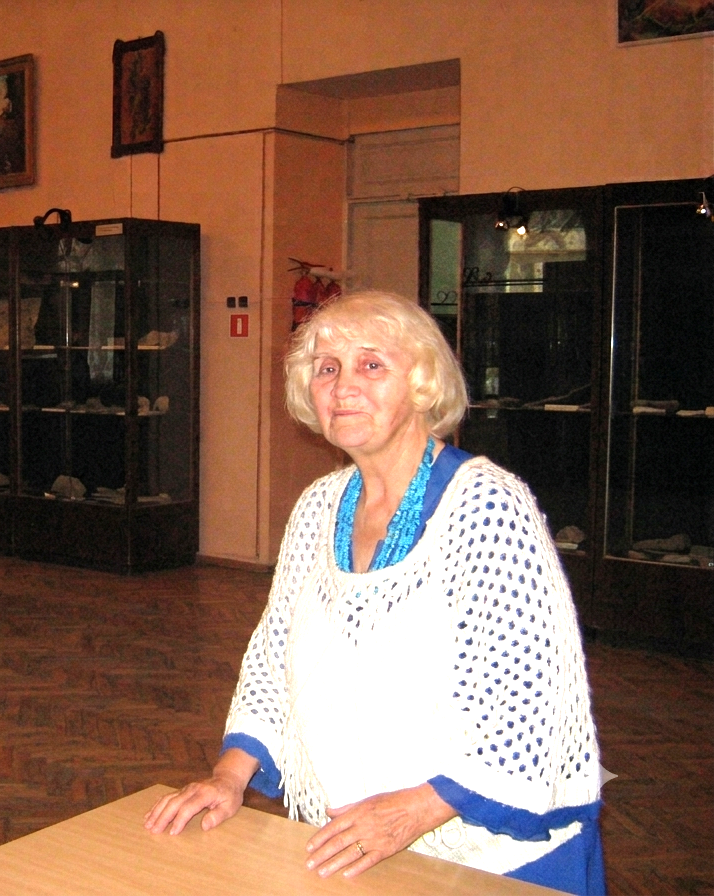
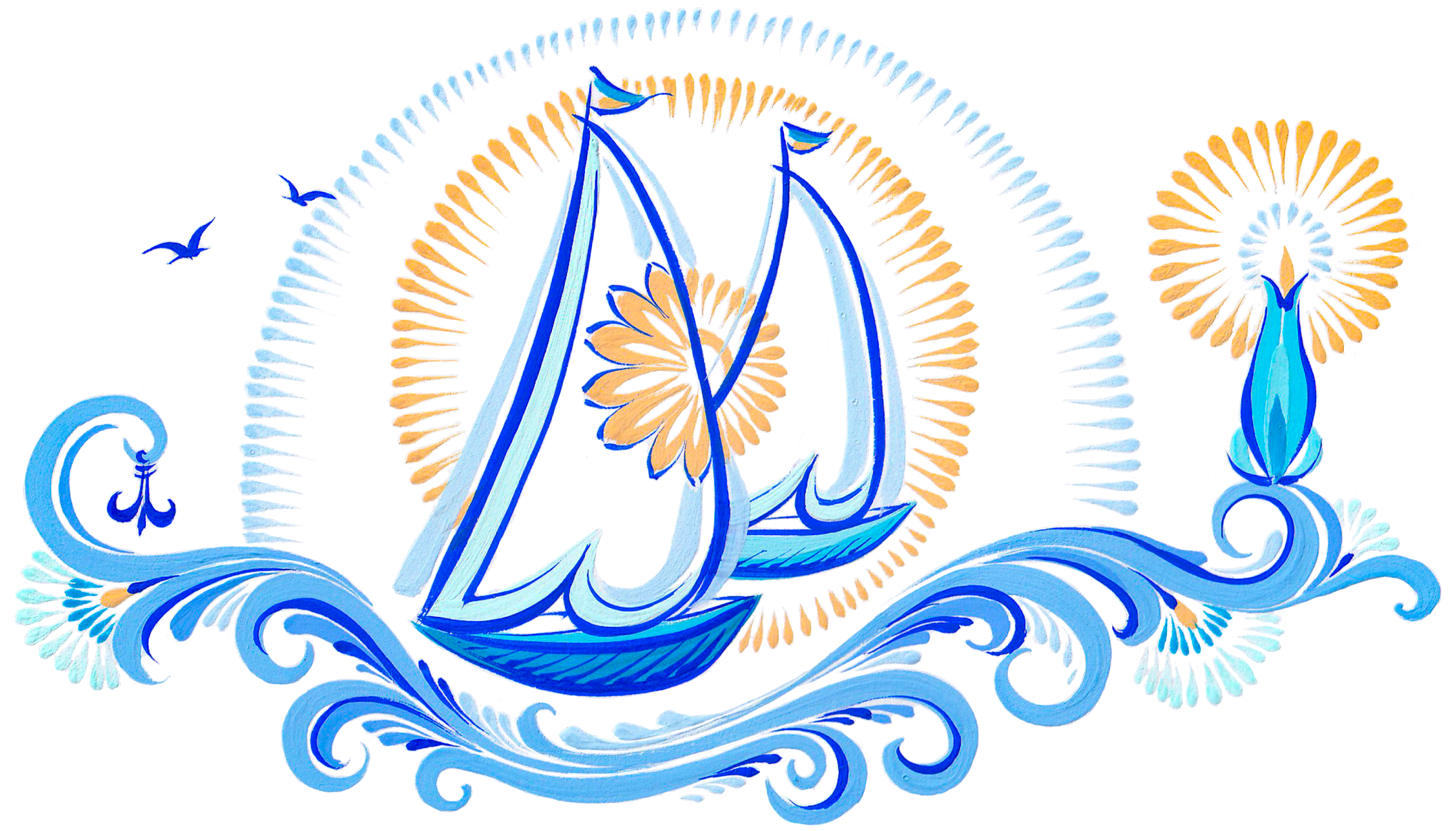
As a bearer of original Tavrian painting, she began to prove to the scholarly community its uniqueness and its unlike quality. She created pictures using elements seen during her journeys. From 1994 she showed them at city, regional and all-Ukrainian exhibitions, argued actively with the first head of the Union of Masters, Volodymyr Priadka (who later did give permission for the publication of research work and recognised the existence of the painting) and with artists of other regions of Ukraine, and published several articles in journals. In 2007 and 2009 she issued a series of novellas gathered in the books Paths to the Lyman, in which, by means of artistic speech, she sought to open the philosophy of the local wonder. In her publications she set out the principal graphic elements used by the mazalnytsi in the decoration of houses: the “wave,” the “drop,” the “rain,” the “little swan,” the “seagull,” the “swallow,” the “boat with a sail,” the “little anchor.”
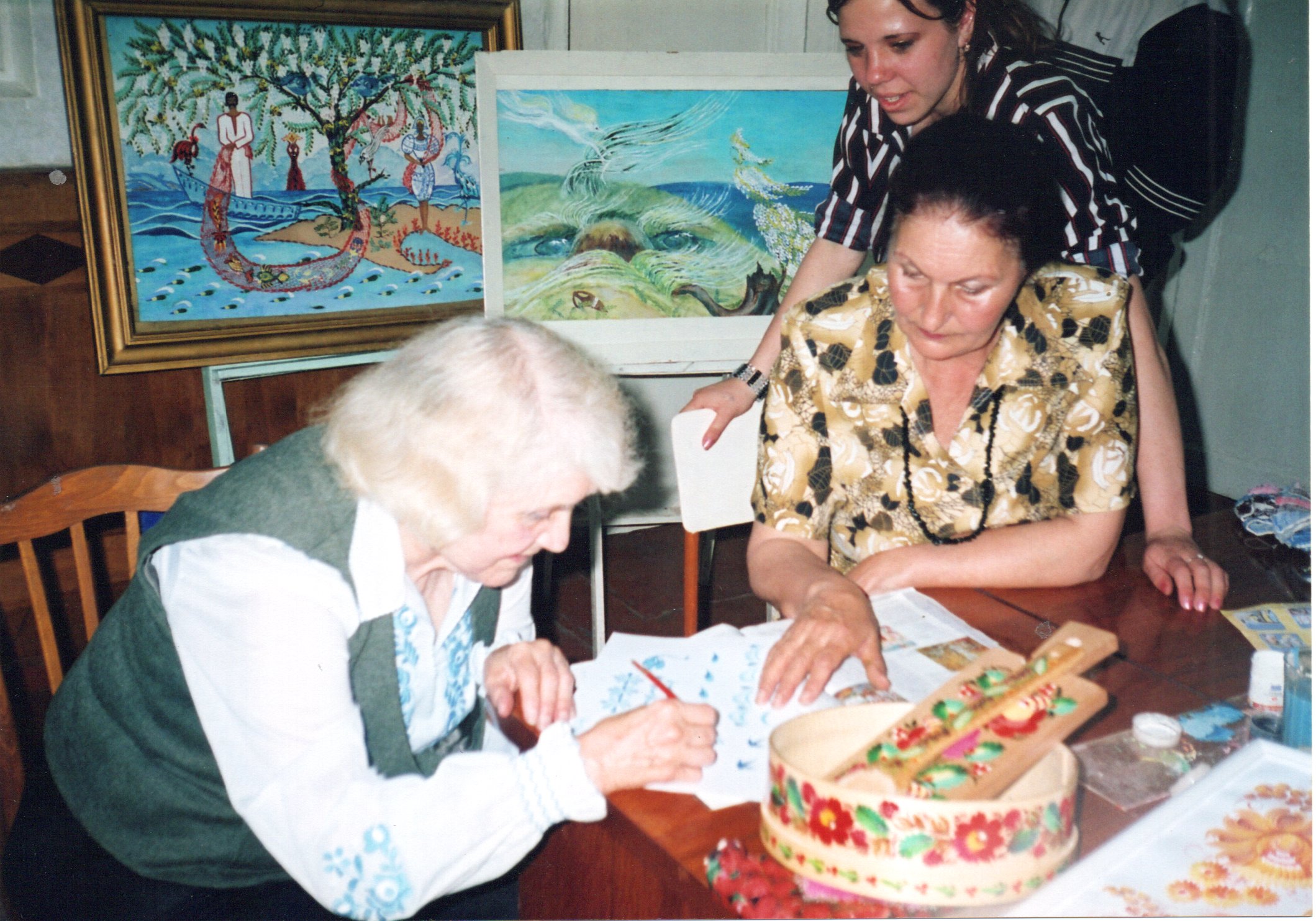
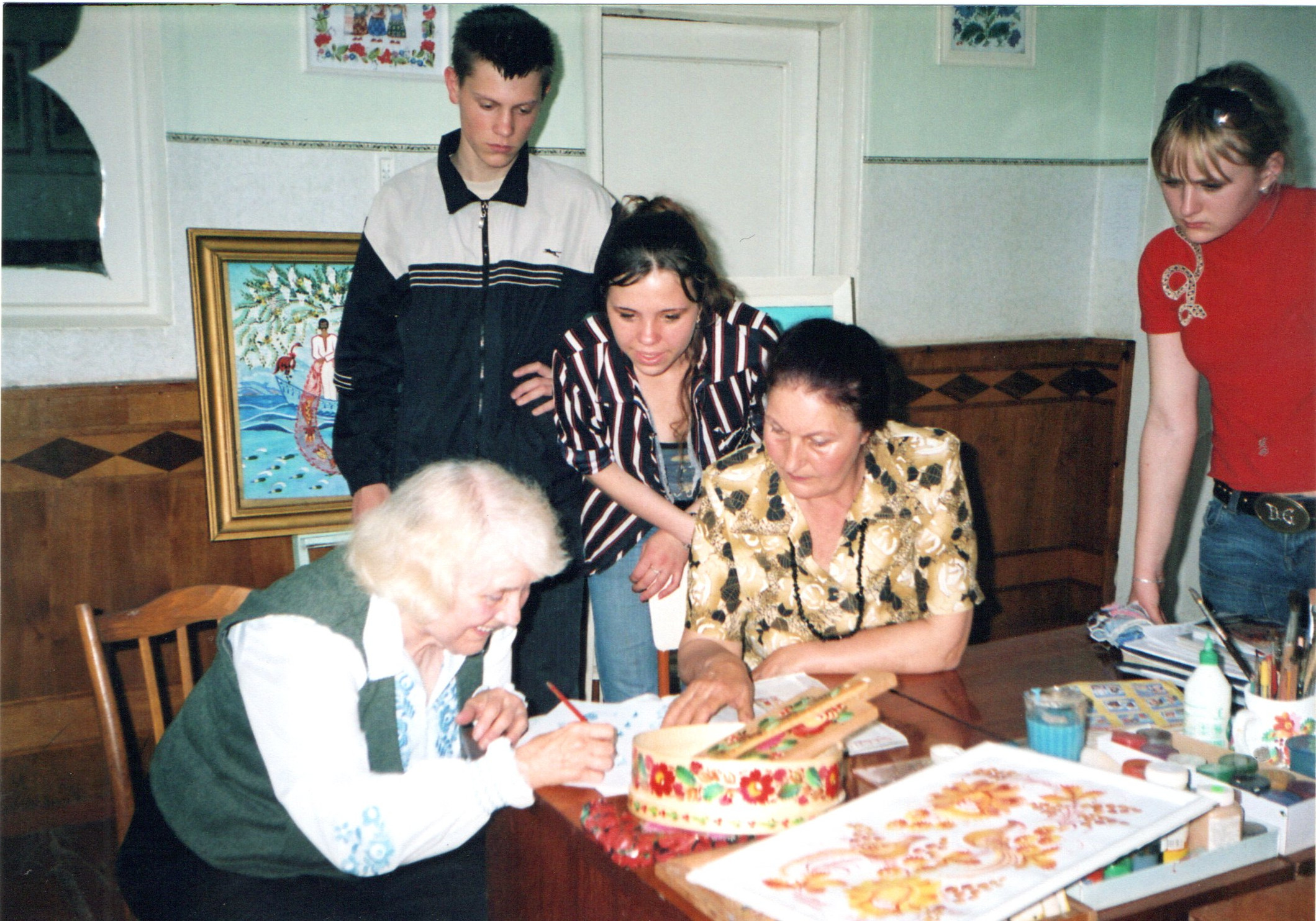
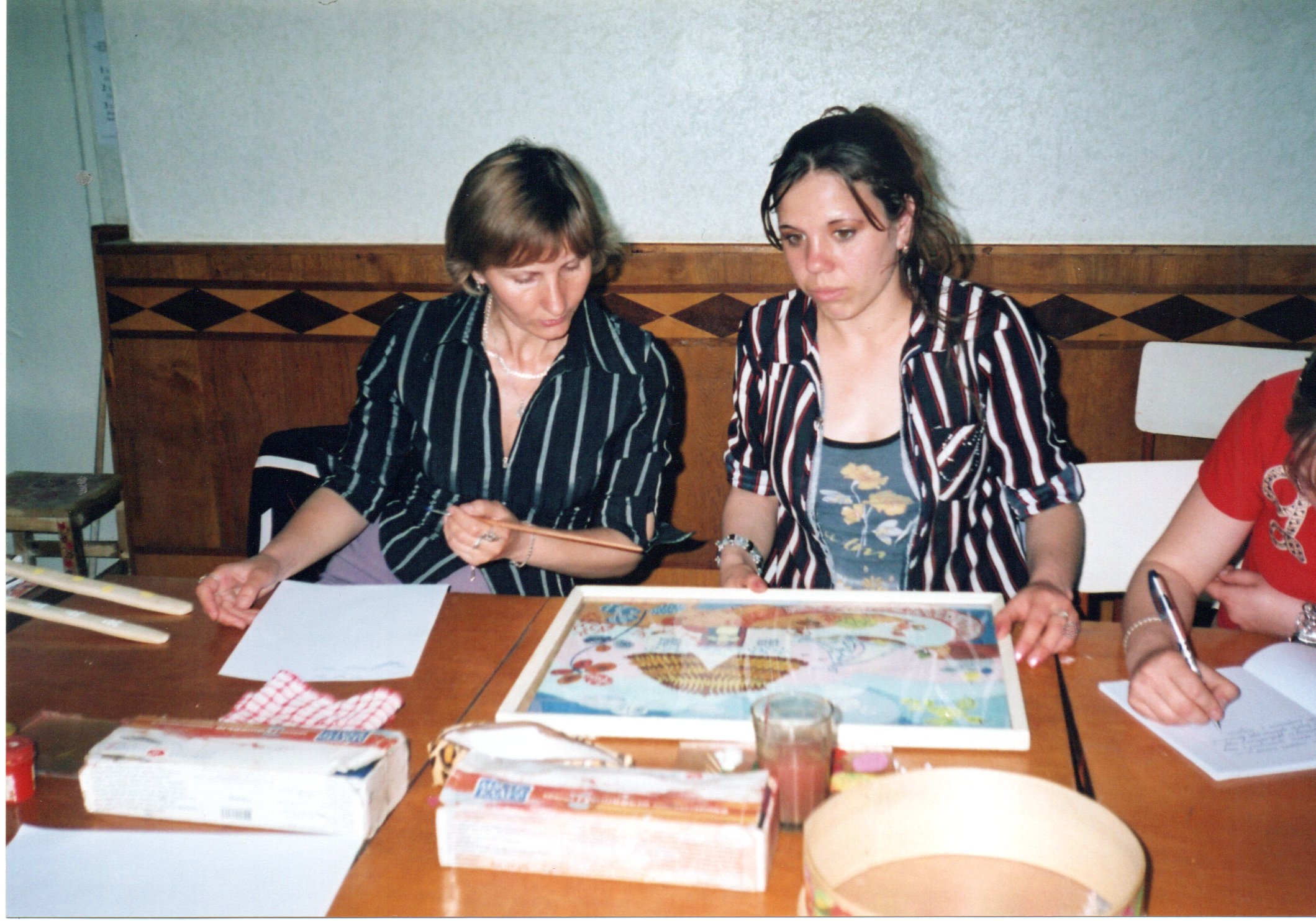
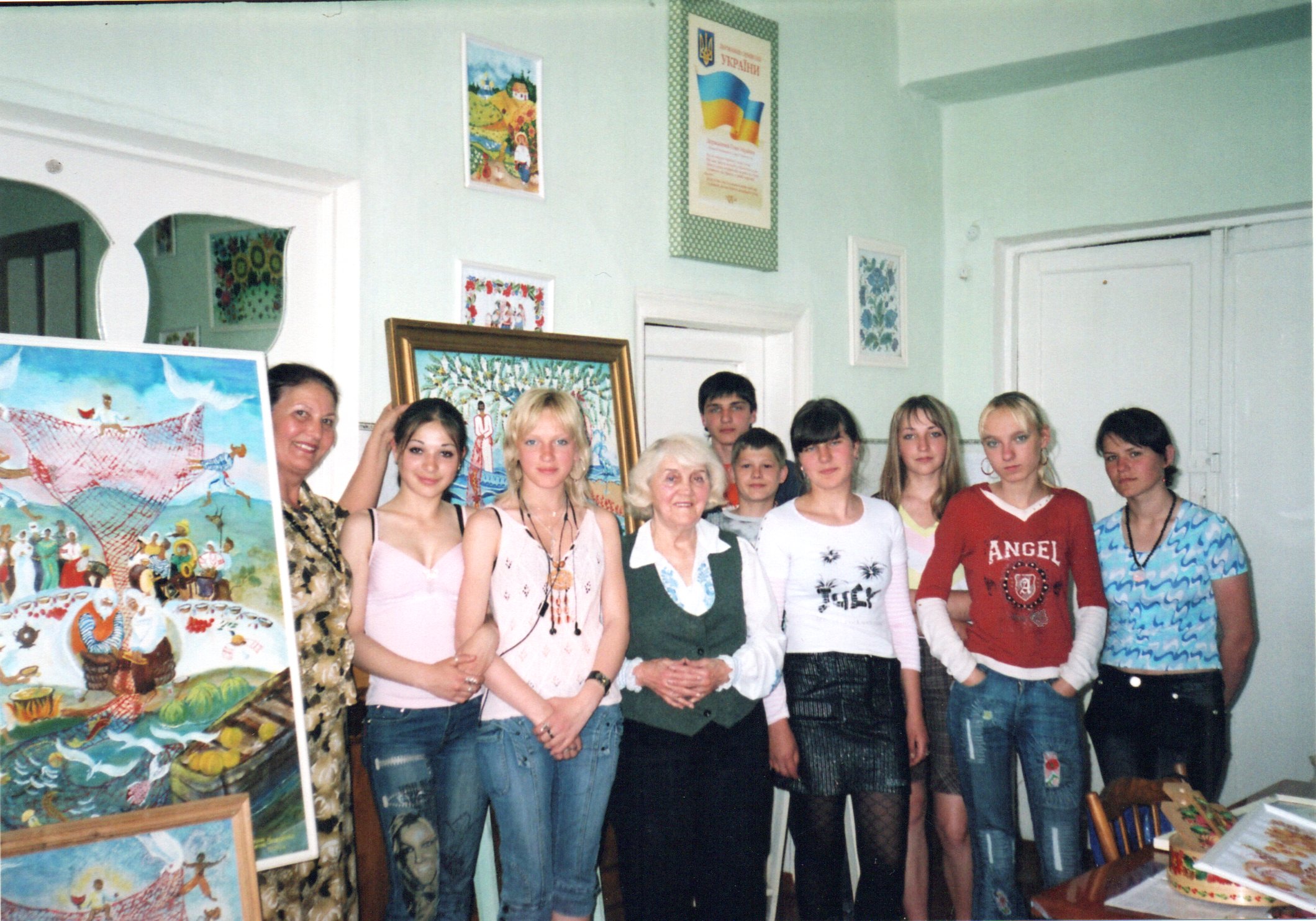
Masterclass in Tavrian painting by Yevhenia Bondarenko in 2007 for students
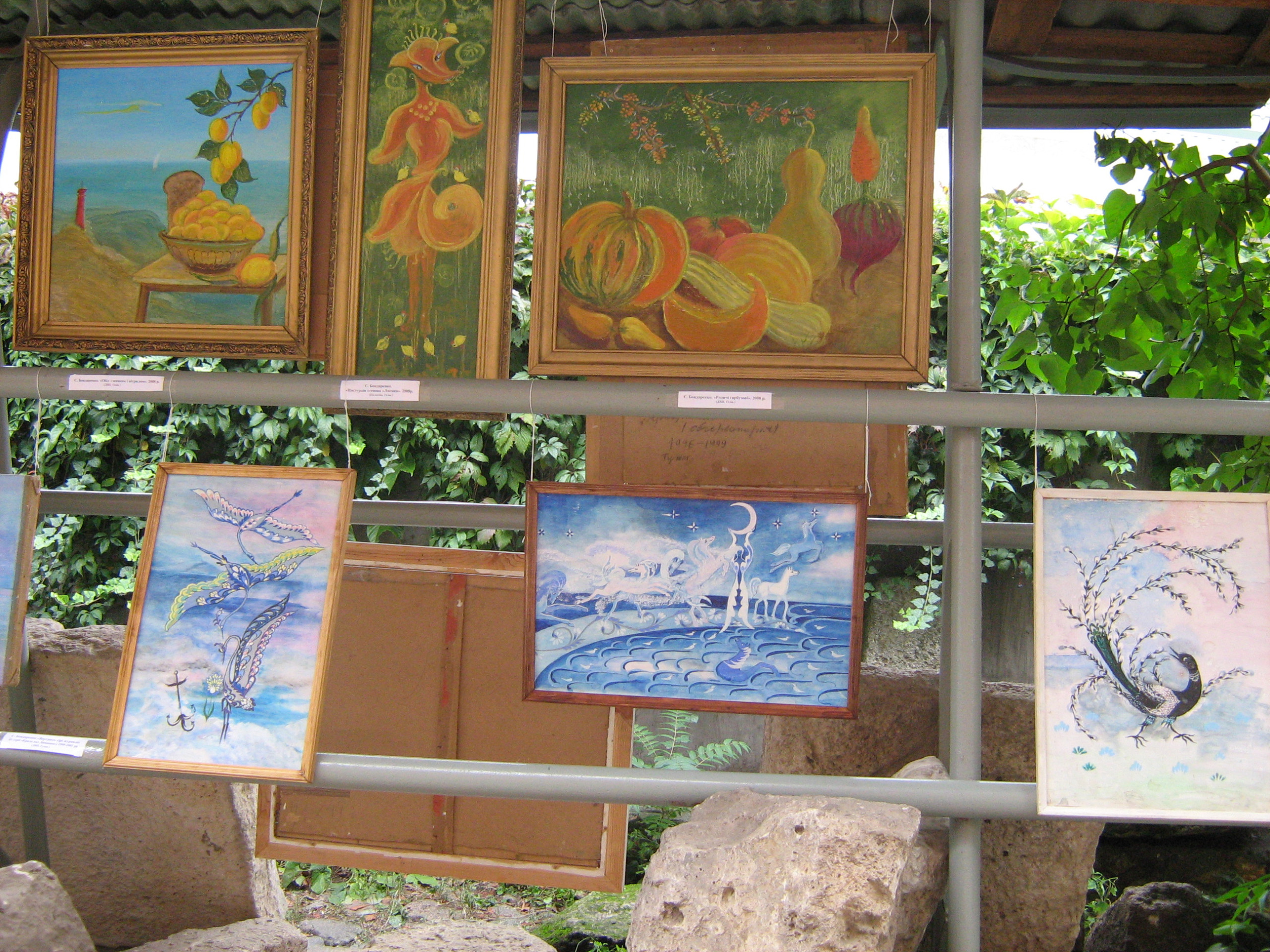
Scholars received Bondarenko’s ideas very reservedly. In spite of this she held a great number of exhibitions, meetings and masterclasses, sharing the painting among the people of the Mykolaiv Region and passing on her knowledge. In 2008 she gave a number of her pictures to the Mykolaiv Regional Local History Museum, and so preserved a part of her painted work. Unfortunately, after Yevhenia Bondarenko’s death the pictures from the home collection were lost.
The creative legacy of Yevhenia Bondarenko calls for further research and sharing. For it is a unique part of the culture of Southern Ukraine, one that sets the Mykolaiv Region apart among other regions and underlines the character of the traditions and everyday life of the people of this land.