Colour
Colour. The Colour Range of the Painting
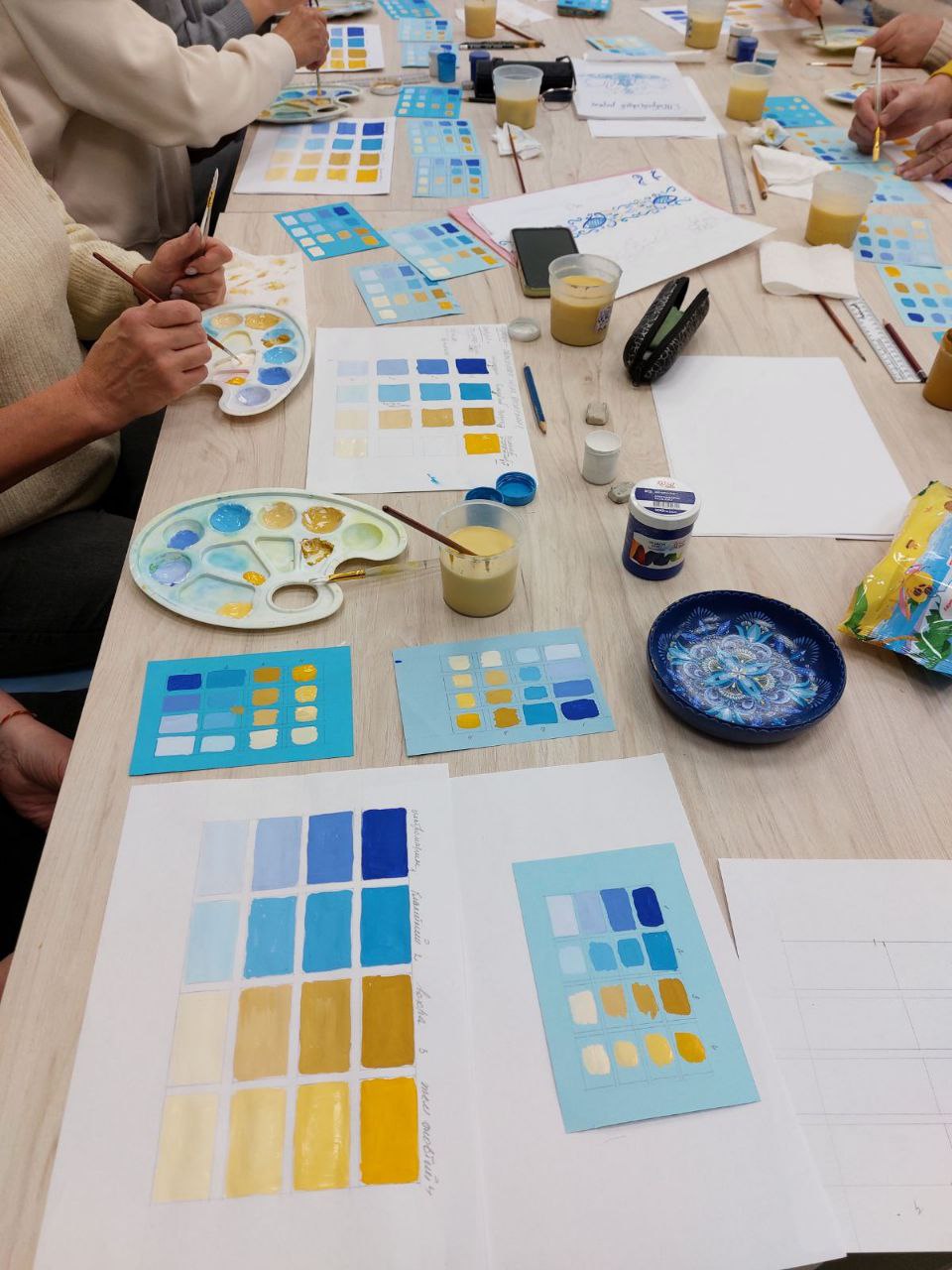
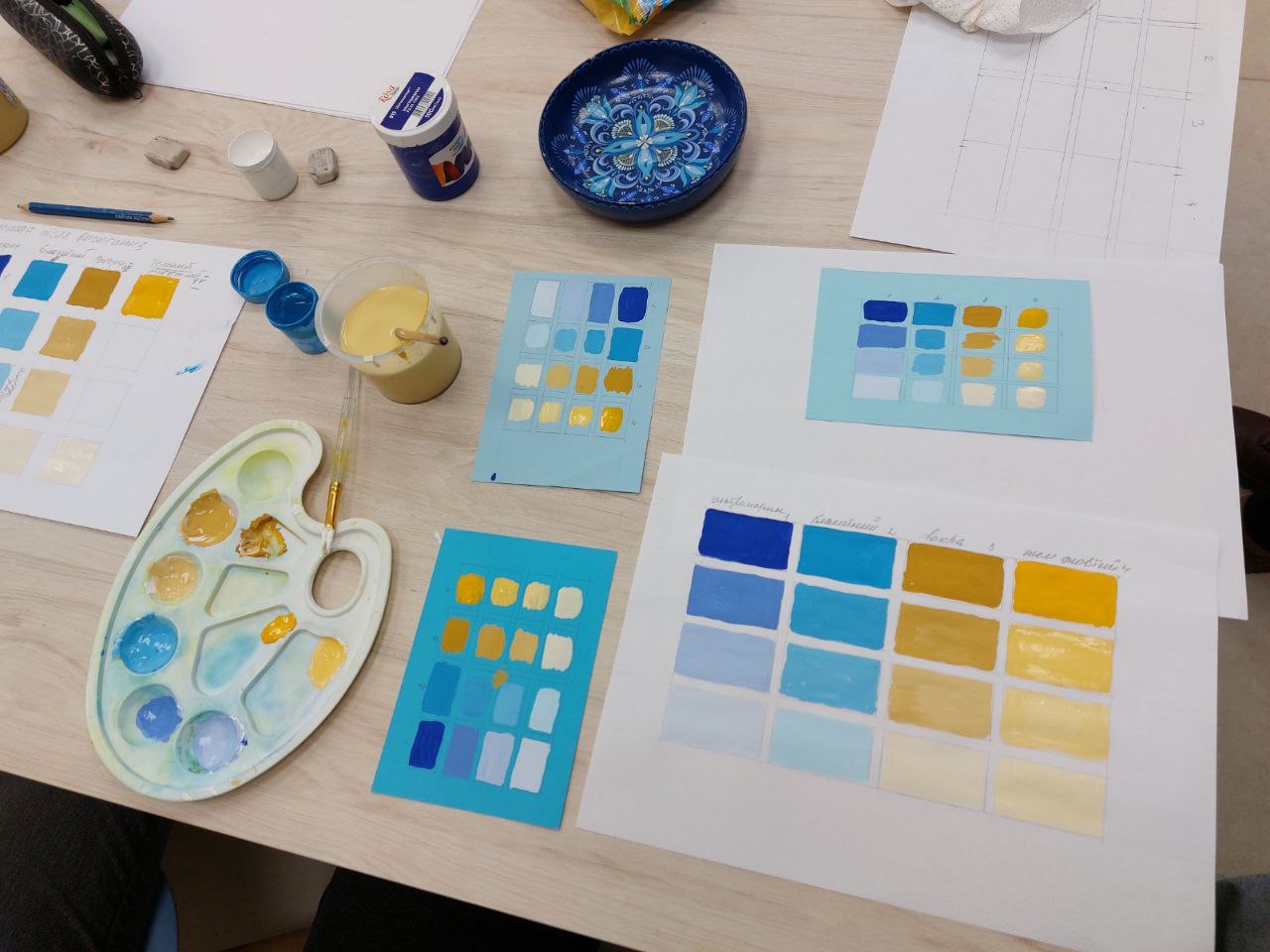
Drawing on the research of Yevhenia Bondarenko and on the testimony of people of the Ochakiv region, one may say that the colour range of Tavrian painting is closely bound to the materials available to the inhabitants of Tavria. Lime and chalk, soot, kinds of clay, berry juice, flowers and grasses for dyes of plant origin — these were the chief among them.
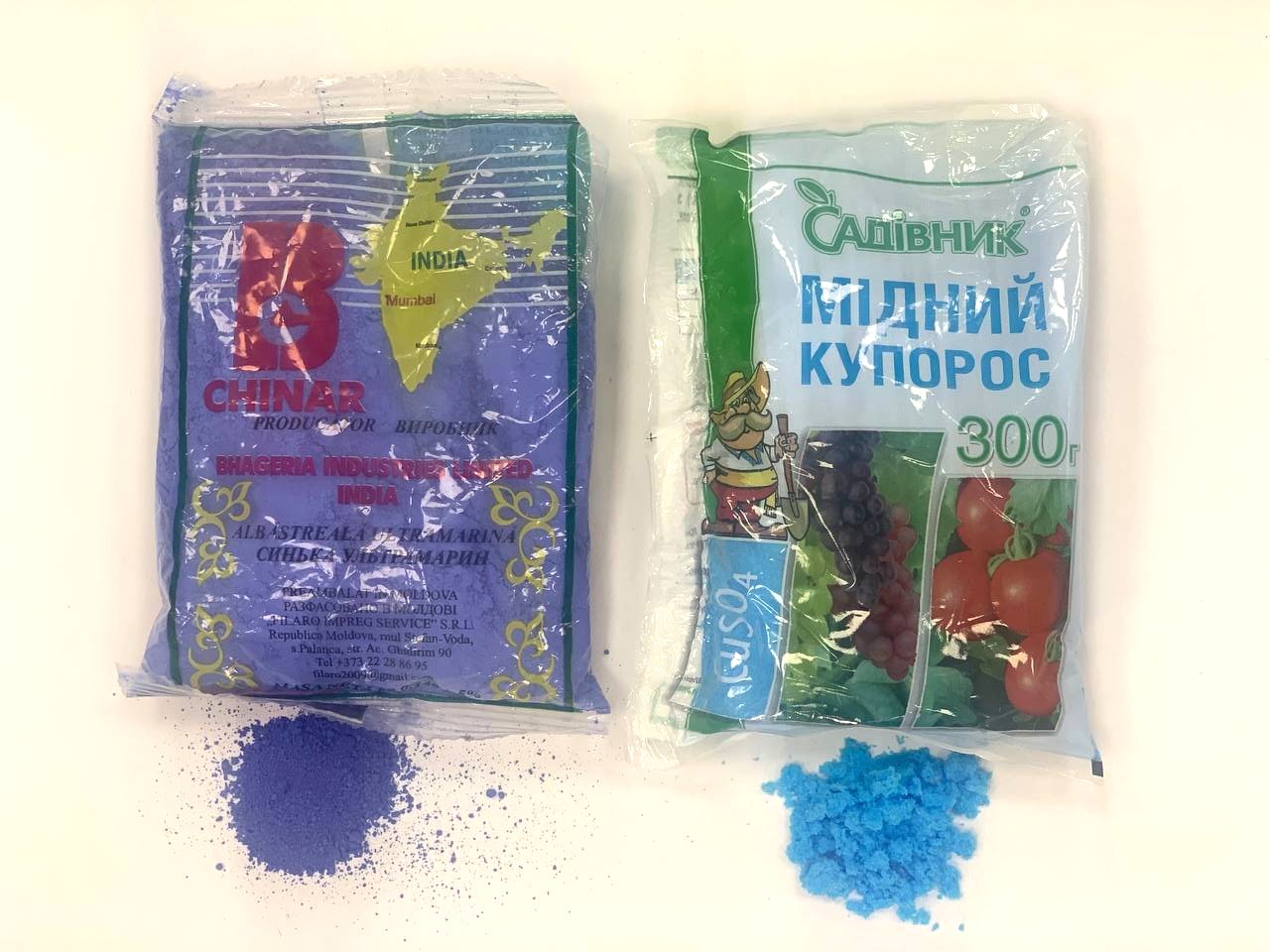
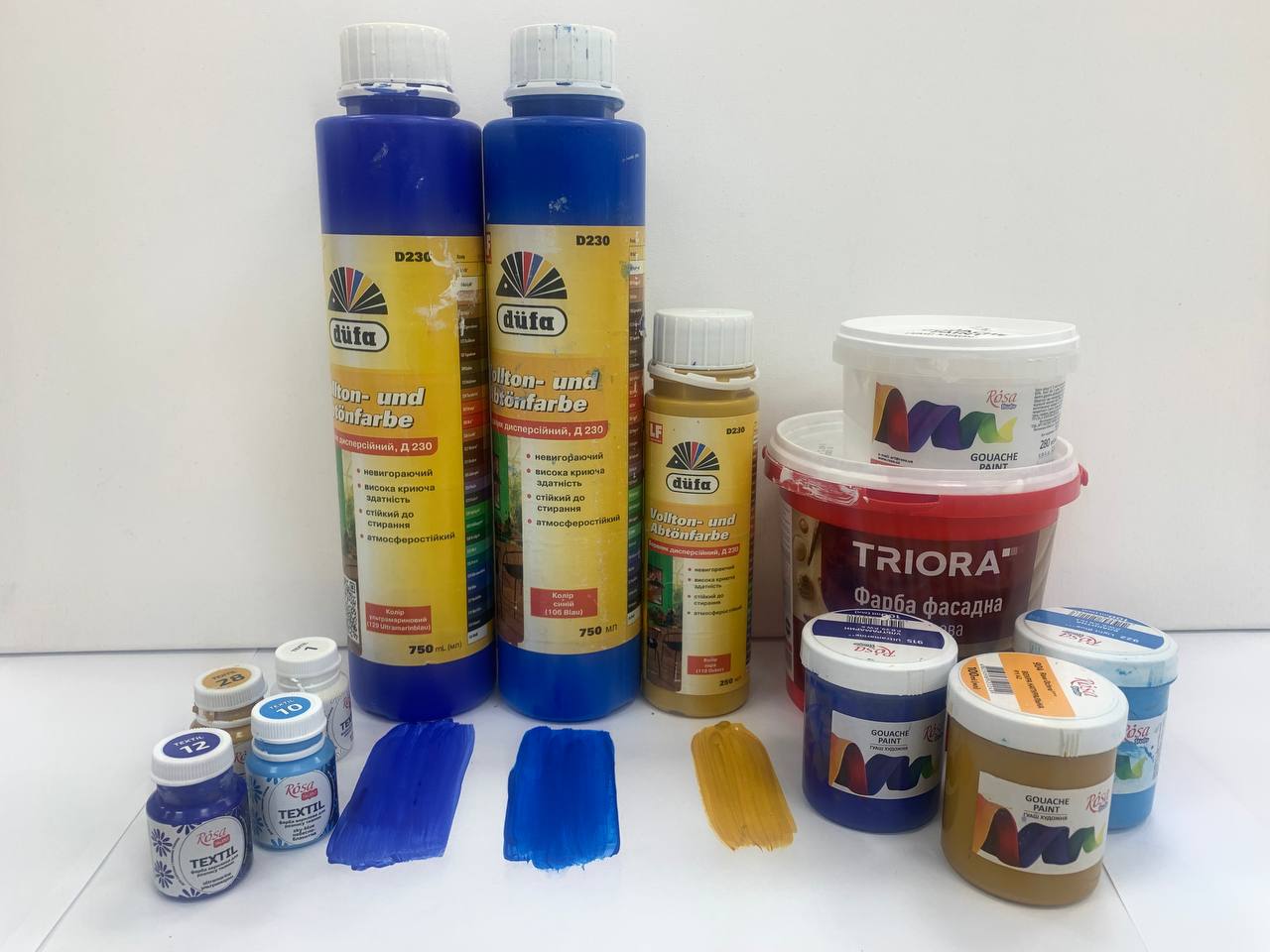
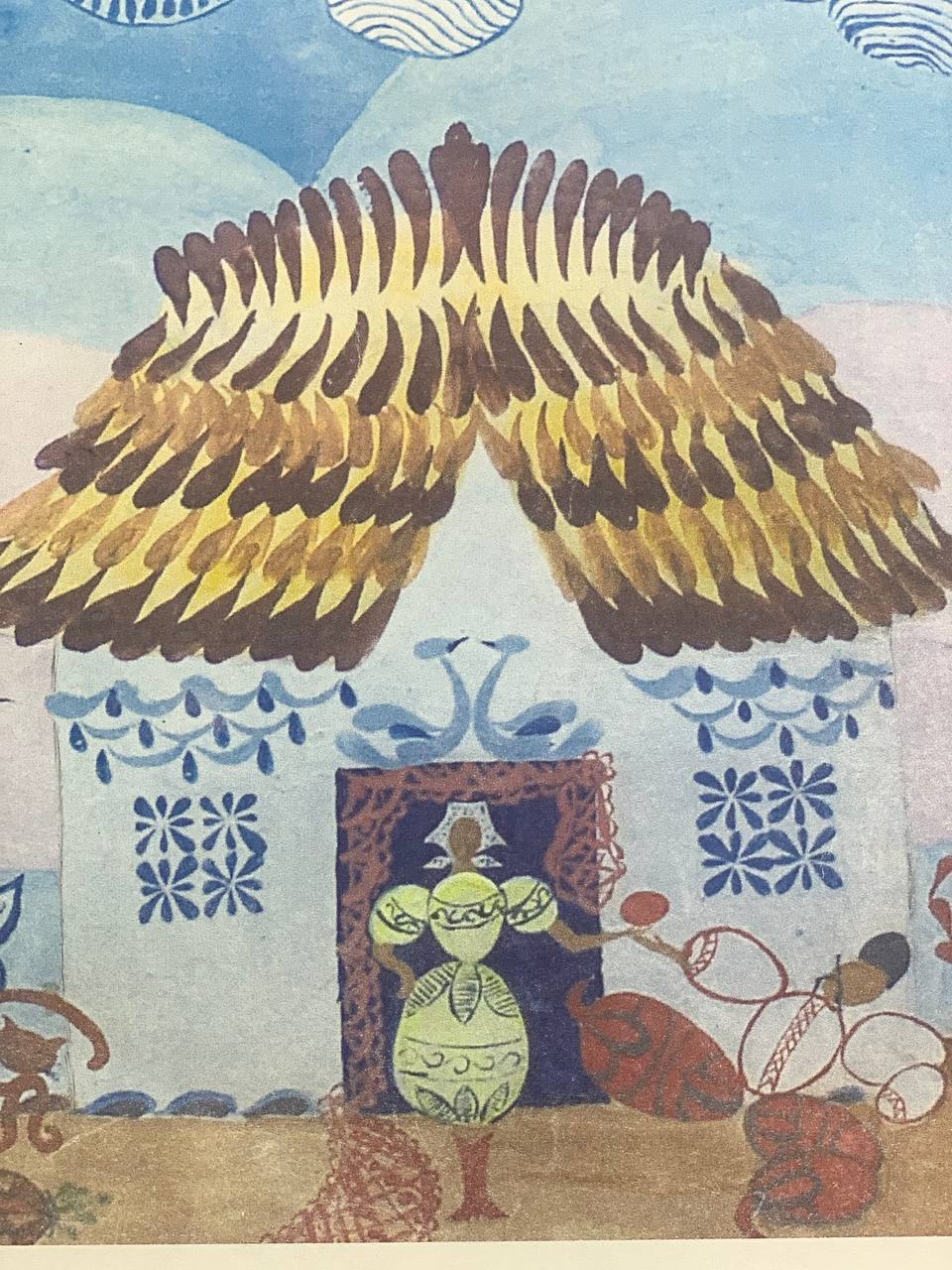
Of course the materials for decorating houses are quite different now. Only in a few remote villages of the Kinburn Spit, at the end of the twentieth century, could one still meet old houses painted with lime in the colour of “grey mist,” with blue window frames and white corners. They were roofed with red tile and tarred along the base. But in the 1950s and 1960s of the last century the whole of Kinburn and the Ochakiv region was bright with such blue-eyed little houses. Those festive dwellings seemed light and fresh, like a breeze. Against the blue sky they looked almost transparent, and from a distance as if wrapped in morning mist.
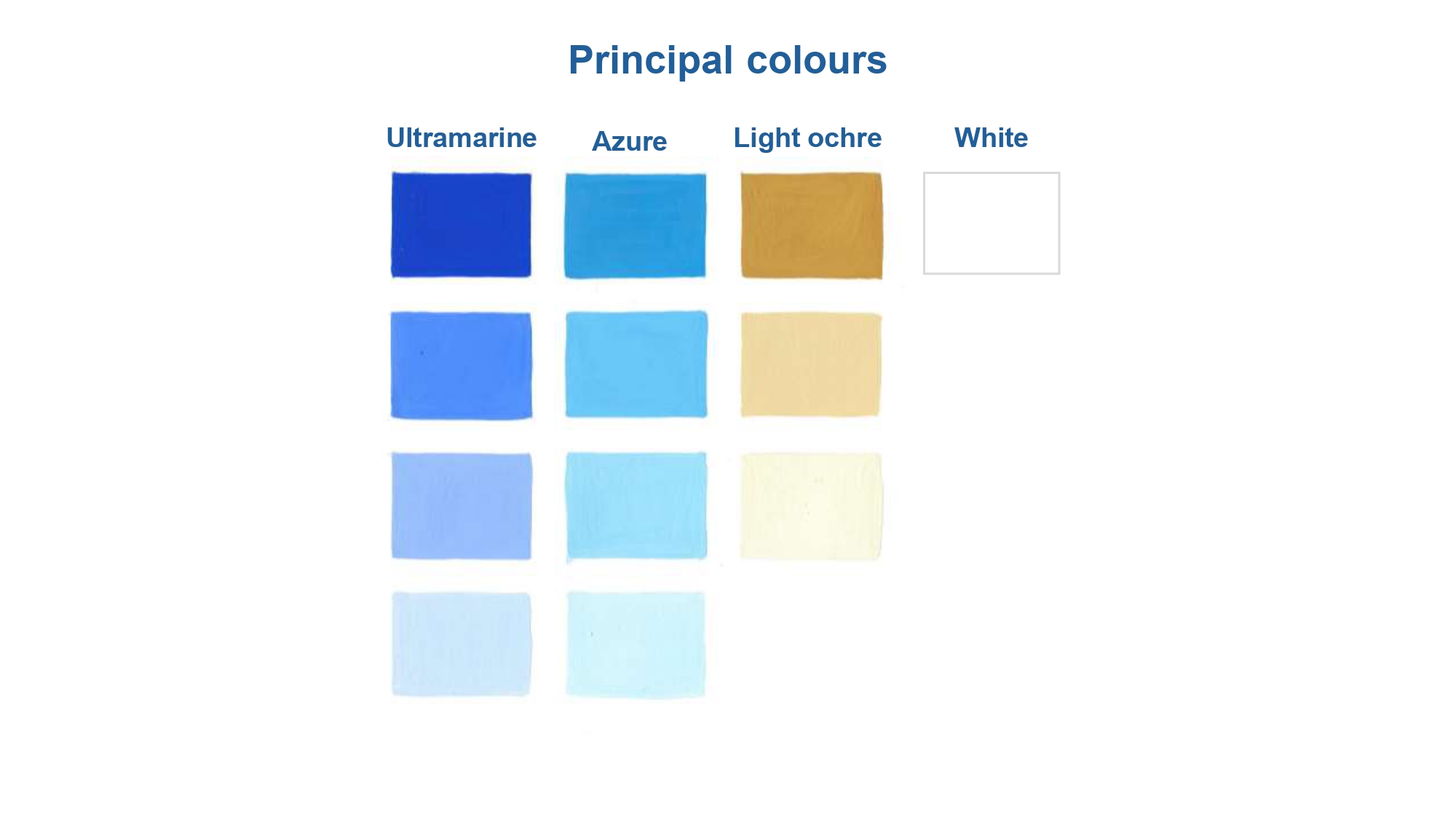
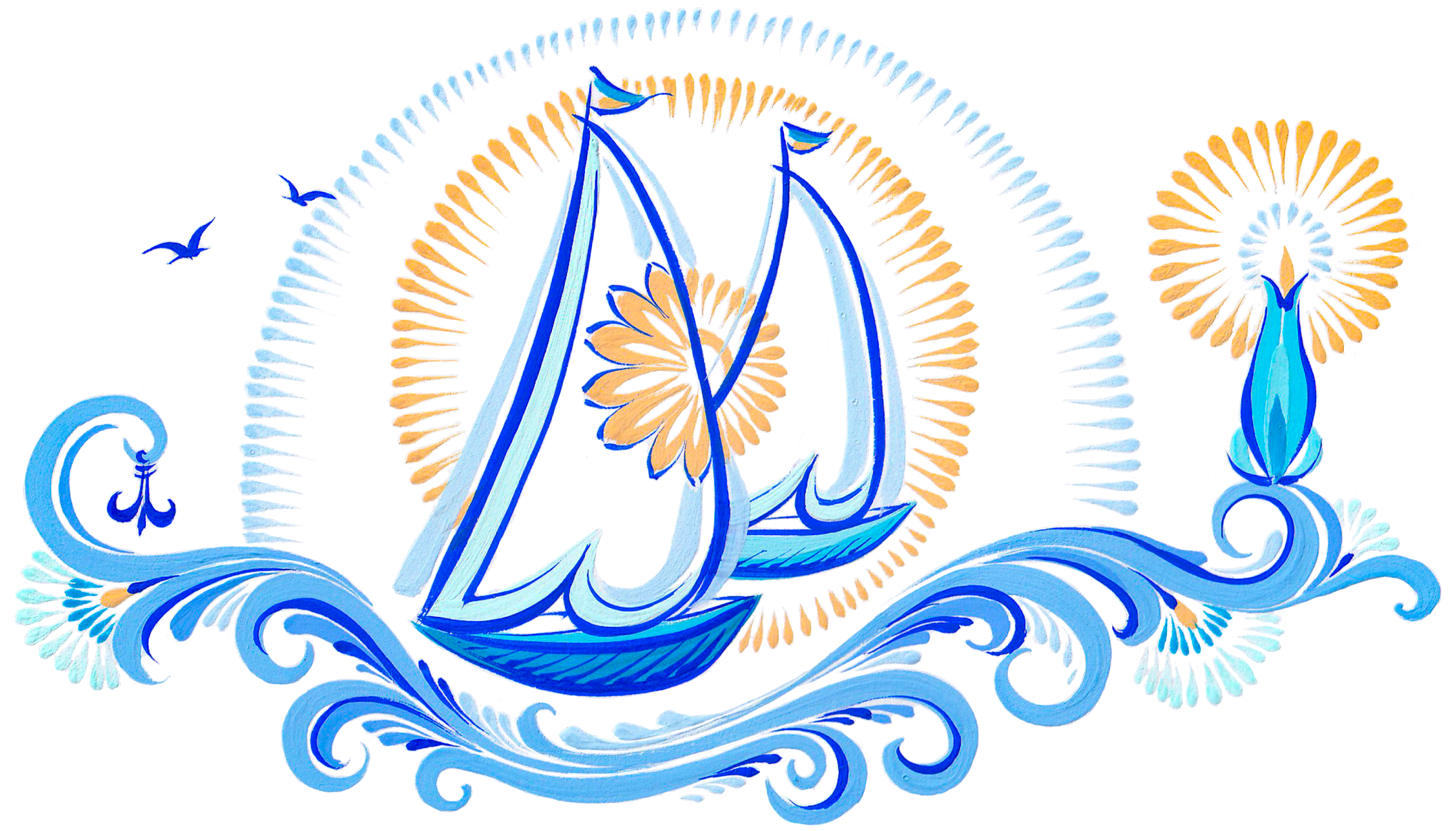
In her article “Steppe Treasures. Some Aspects of Folk Fine Art of Southern Ukraine,” Yevhenia Bondarenko names these colours: “…white, ‘grey mist,’ many shades of light blue and blue, even to black (‘swallows,’ ‘boats,’ ‘little anchors’). More rarely — pink, lilac, green.” But in the afterword to the first volume of Paths to the Lyman (2007) — before the sheet of drawn basic elements of the folk painting — Yevhenia Bondarenko writes: “And the clay houses of our South were once the colour of ‘grey mist’ (pale blue) and painted with white, light-blue, blue, yellow and lilac lacework, which are called ornaments. Such colours, it seems, balanced the bright sunlight, of which there is so much over the steppe in summer, in autumn and in spring…” This thought leads one to reflect that pink, green and other “berry” tints were, in the end, given up: the scorching southern sun and the chemical properties of lime quickly ate away bright colours of natural origin, and they looked unattractive or vanished from the walls altogether.
An analysis of the houses painted with “Tavryka” that the artist showed on her canvases confirms this.
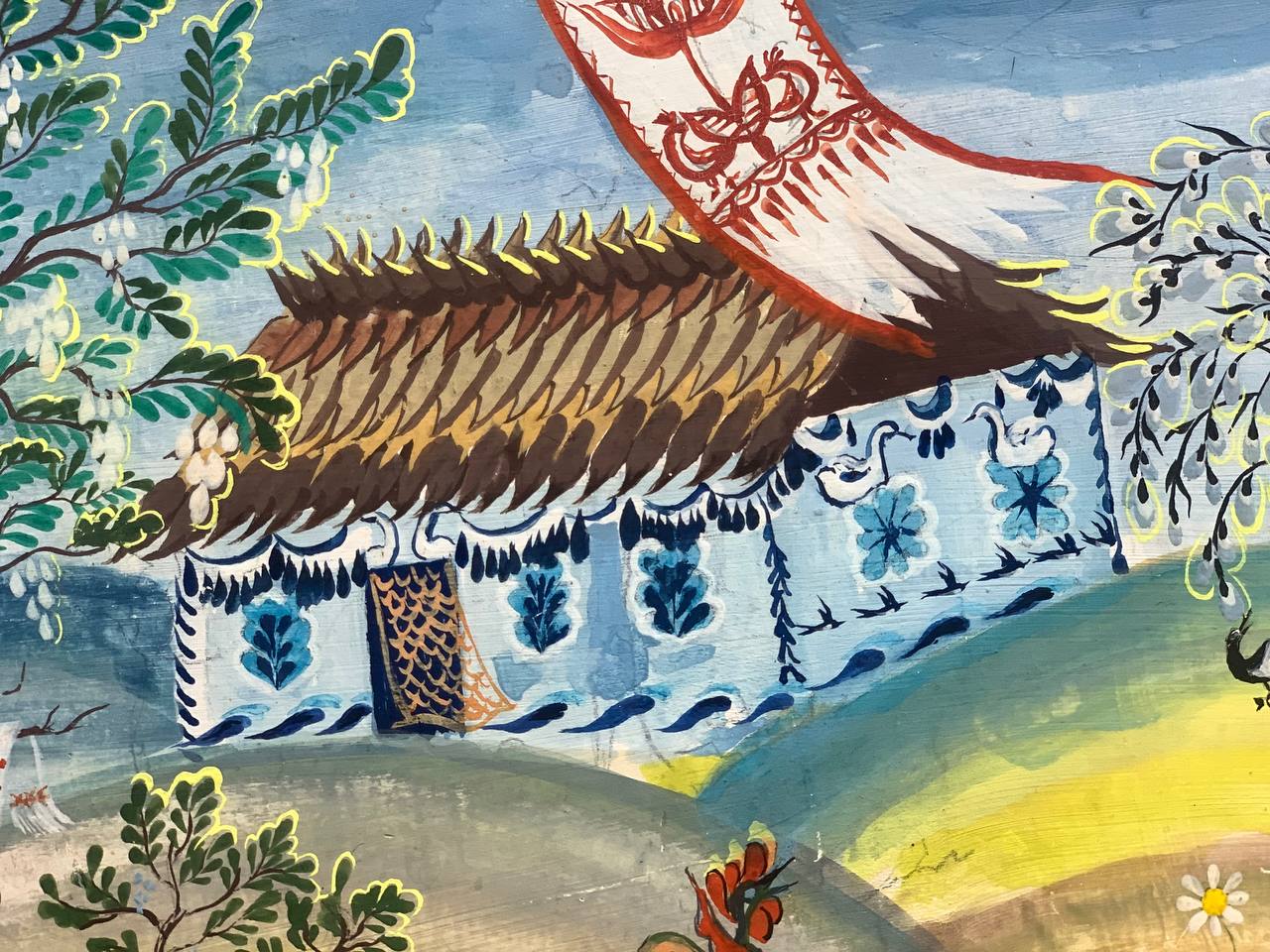
In general Yevhenia Bondarenko loved colour and wove it boldly into many artistic images and comparisons. In the novella “My Cradle?” she describes the colours of the lyman and the sea in this way: “For the first time in my life I saw a lace-like ribbon between two Worlds — the Lyman and the Sea. One water was holubets (so the mazalnytsi called a blue with a green depth); the other was greenish, with a violet floor. And between them — that uncertain little ribbon, a little lost among the waves…” So it is no surprise that, by one account, it was she who poetically named the pale blue “grey mist.”
It is worth noting that the contemporary palette of Tavrian painting has scarcely changed.
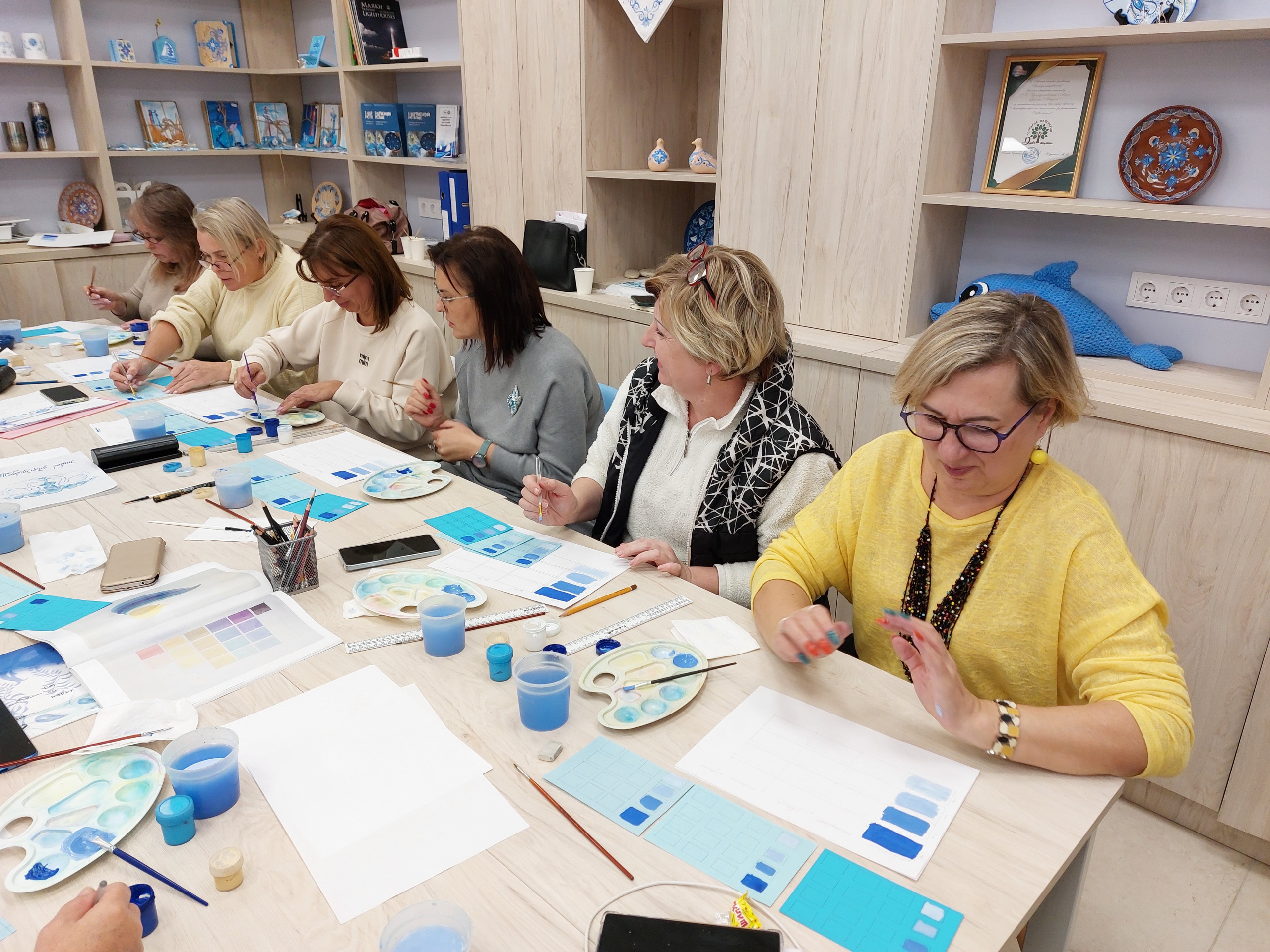
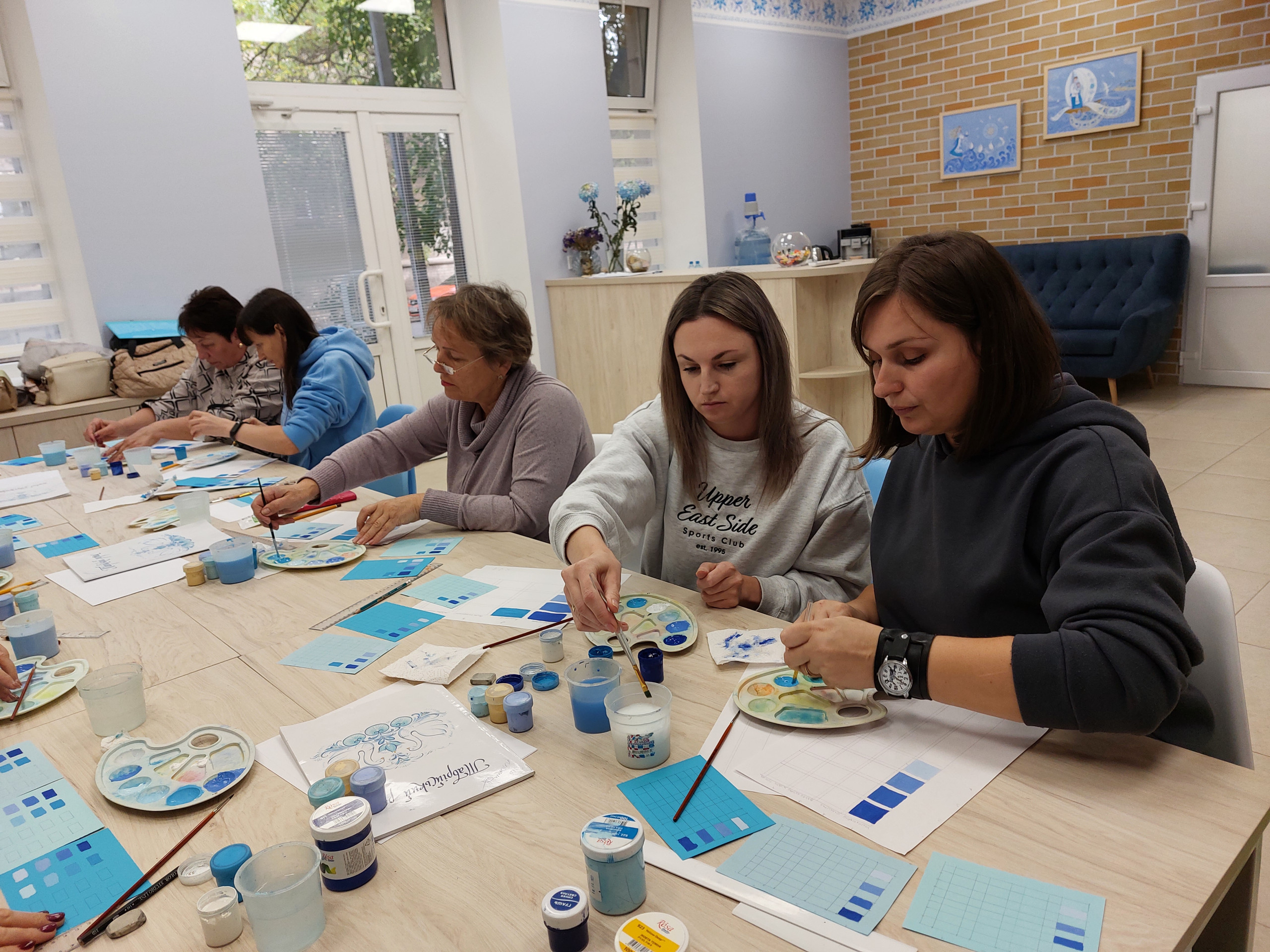
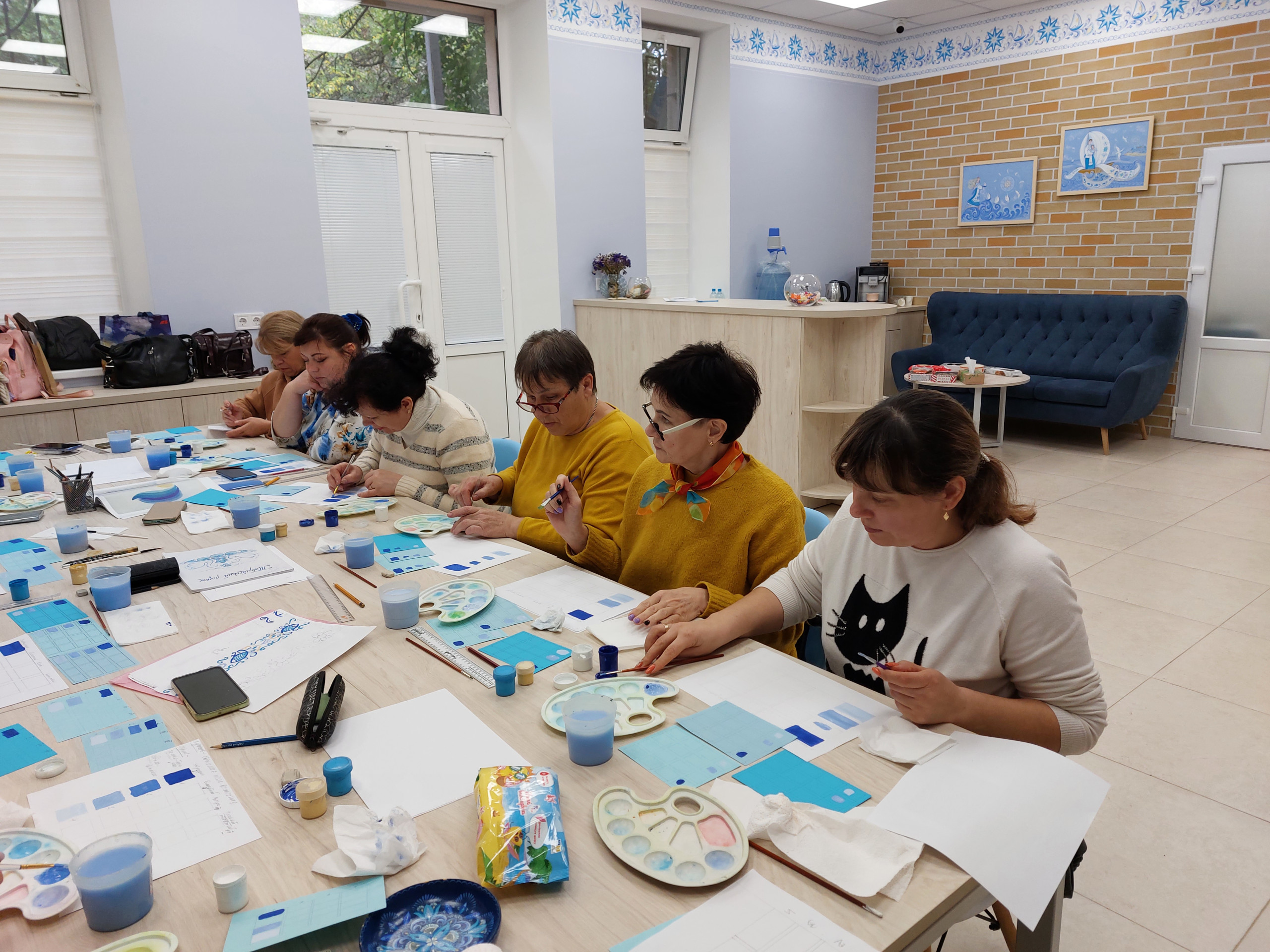
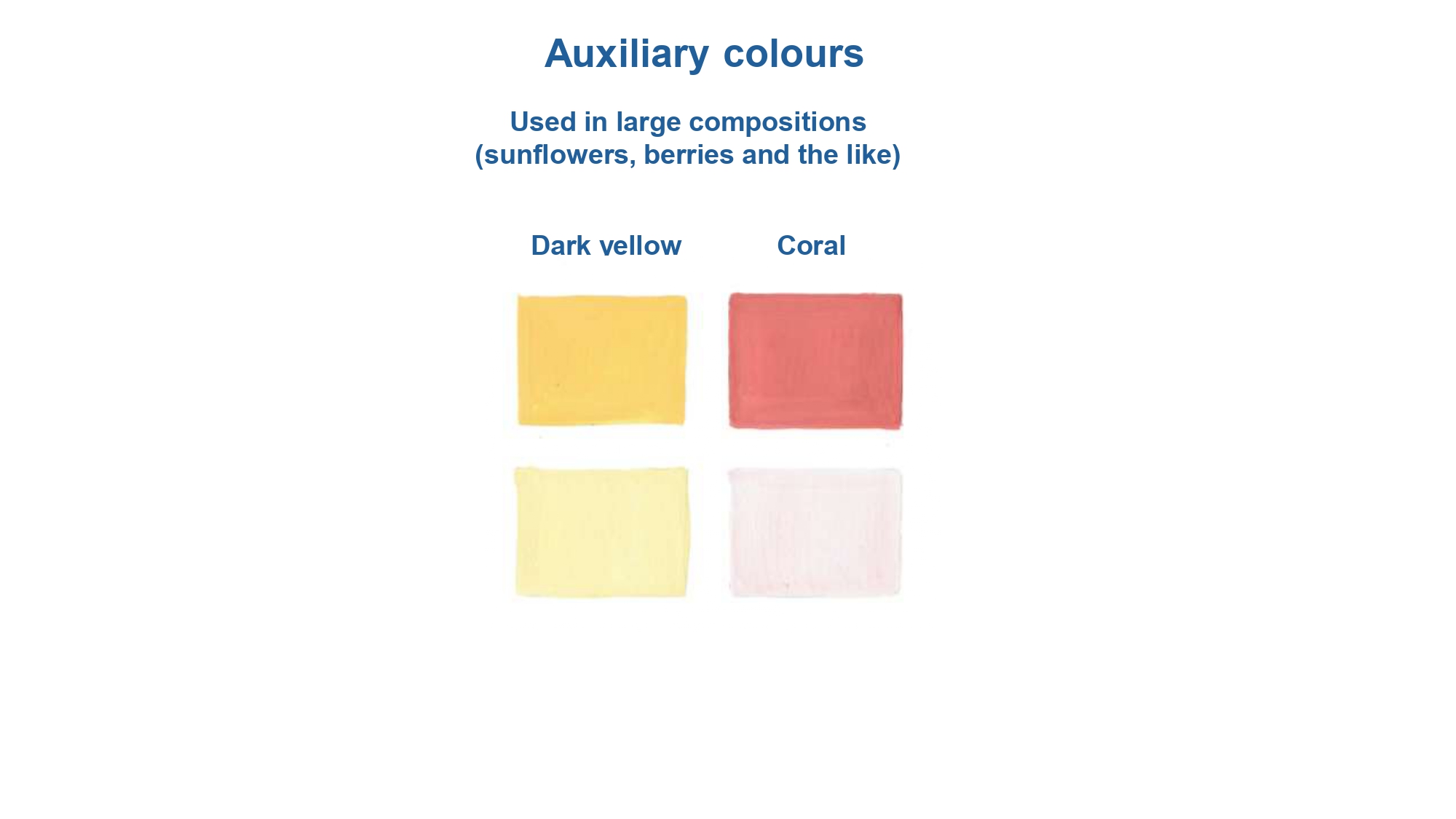
Liubov Paraniuk and her pupils, however, have firmly given up black, and have replaced red and pink with coral. They do not use bright yellow (or lemon) either.
Liubov Paraniuk notes that she limited the colour range deliberately, in order to keep the recognisability of the painting, its lace-like quality, its lightness and its freshness.